15 Mandala Coloring Page Bundle: A Stitcher’s Honest Review
When I first opened the 15 Mandala Coloring Page Bundle, I could immediately feel the mood the designer intended. This isn’t a rushed set of loose shapes—it’s a collection of thoughtful, meditative line art. The kind of work that makes you pause. As an embroidery designer who spends every day translating artwork into stitch, I knew right away these mandalas had serious potential for finished projects, but I also knew they’d need a careful eye. The intricacy and detail that make them calming on paper can become a real test of skill and patience once thread and stabilizer enter the picture.
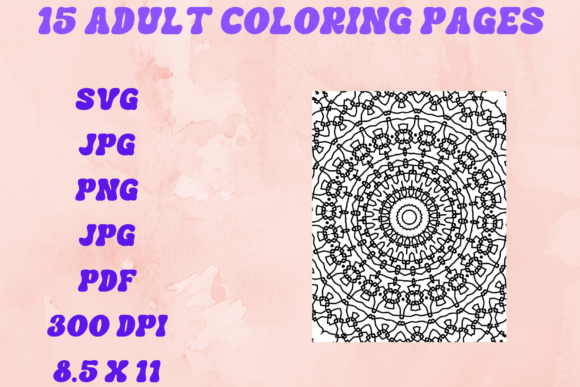
I didn’t download this bundle to color. I downloaded it to stitch. And that’s the lens I’m using for this review: how the 15 Mandala Coloring Page Bundle performs when you’re thinking about custom apparel, handmade gifts, craft business inventory, and all the small-shop merchandise that keeps an Etsy seller or boutique owner going. The product listing describes it as an adult coloring page—the kind of relaxing, intricate design meant to challenge and inspire. For an embroiderer, that same description is a double-edged sword. Intricate means beautiful. It also means dense, small, and demanding.
First Impression: A Calm, Intricate Energy Ready for Thread
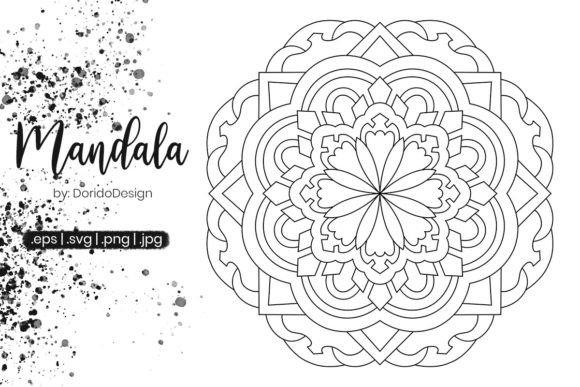
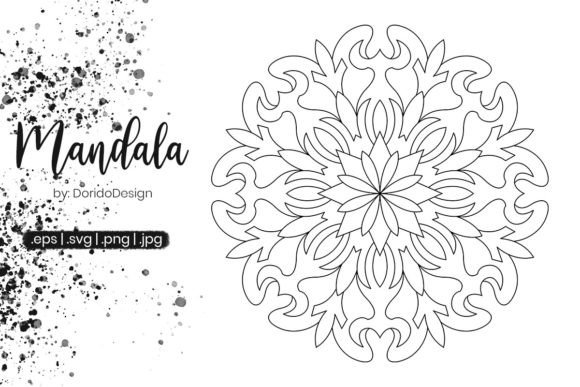
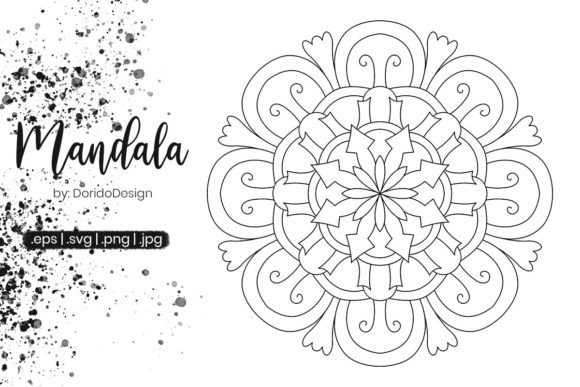
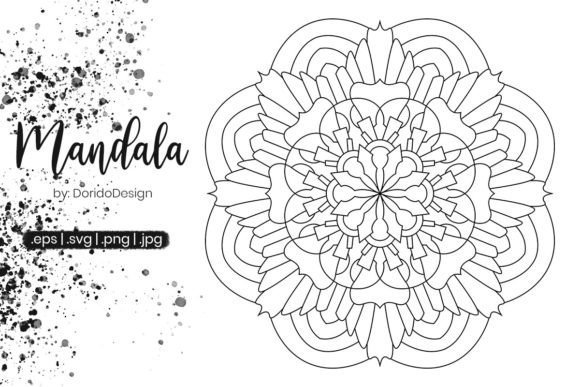
The first thing I noticed was how balanced each mandala felt. The symmetry is clean, the lines are fine but not fragile, and the overall composition has a peaceful, circular flow. That’s exactly what you want in a design destined for a tote bag design, a sweatshirt embroidery focal point, or even a delicate baby embroidery accent on a nursery blanket. The mood is universally appealing—it doesn’t skew too feminine or masculine, and it works across age groups. The variety in the bundle is also a quiet strength. Fifteen different mandalas mean you can build a small collection of handmade product variations without repeating yourself, which is gold for a craft business or Etsy seller listing multiple items.
But as soon as I started imagining these on fabric, I had to ask the tough questions: How will the fine lines translate into a running stitch or satin stitch? Will the dense center areas become a rigid, bulletproof patch? Will the outer petals hold their shape on a curved surface like a cap? The artwork’s visual personality is strong, but embroidery is a physical medium. A design that looks airy in a printable mockup can bulk up fast under thread.
How the 15 Mandala Coloring Page Bundle Translates into Stitch
I tested one of the mid-complexity mandalas by digitizing it—purely as a sample—to see what happens when you convert line art into an embroidery file. The result was exactly what I expected: beautiful, but demanding. The mandala’s repeating petal shapes and central flower motif lend themselves to a mix of fill stitch for larger areas and a delicate running stitch for the outer rings. If you prefer an applique design approach, you could simplify the central circle into a fabric piece, but the real magic of these mandalas is in the layered linework. I’d lean toward a light, open stitch density to keep the fabric hand soft—crucial for a personalized gift like a baby blanket or a pillow cover that will actually be touched.
On a custom apparel project, like a unisex sweatshirt, the mandala sat beautifully on the chest. The symmetry placed the design perfectly, and the circular shape feels intentional, not generic. For a tote bag design, I’d go larger—maybe a 6×6 or 7×7 hoop size—and let the design breathe. The stitching clarity held up on mid-weight cotton, but I’d advise against using every single line from the original coloring page. Selective thinning is your friend. The artwork is intricate, but embroidery thread doesn’t behave like a pen. You need to edit for stitchability without losing the meditative, lacy feel.
Fabric, Hoop, and Stabilizer: Setting the Mandala Up for Success
Where the 15 Mandala Coloring Page Bundle really shines is on stable, smooth fabrics. Think cotton poplin, linen, quality quilting cotton, and structured sweatshirt fleece. I’d avoid anything too textured or loosely woven, because the fine details will get lost. A tight satin stitch on a bumpy fabric looks messy, and the mandala’s calming geometry falls apart. For kitchen towels or tea towels, the design works wonderfully if you float the right stabilizer—cut-away on a medium-weight towel, and a water-soluble topper to keep the stitching from sinking into the pile. The result is a crisp, boutique-quality finished product that feels far more expensive than a simple kitchen accent.
On caps or hats, I’d be selective. The mandala’s circular shape seems like a natural fit for a front panel, but the curved surface and the center seam can distort the symmetry. If you’re going to offer this as a custom apparel option, pick a low-profile, unstructured cap and use a design from the bundle that has a slightly more open center—less dense stitching, fewer tiny elements. The same caution applies to stretchy fabric like a baby onesie. A baby embroidery project needs a soft, flexible stitch, so I’d use a light fill stitch with a low-density setting and back it with a soft mesh stabilizer. The mandala still looks delicate, and the garment stays comfortable against delicate skin.
Where the Design Should Be Used Carefully
This bundle is not a plug-and-play solution for every embroidery project. The fine detail that makes it so appealing is also its biggest limitation. If you’re working with a small hoop—say, 4×4—you’ll need to pick the very simplest mandala in the set, and even then, expect some detail loss. The center of many mandalas is dense with small overlapping shapes, and in a reduced size, those stitches can merge into a solid blob. I learned this the hard way years ago with a similar design, and I still test every new source on scrap fabric before committing to a final piece.
Dark fabric presents another challenge. The mandalas, as line art, rely on contrast. Against a black sweatshirt, a light thread will pop, but the intricate inner rings might look too busy if the stitch width isn’t adjusted. I’d recommend testing your chosen mandala in a black-and-white printable mockup first—just print it at actual size on paper and hold it against the fabric. That simple step can save you from a design that reads as a blurry circle from a few feet away. For commercial embroidery or small shop product lines, you want the design to be recognizable at a glance, and that means managing thread colors and contrast with intention.
Visual Appeal, Customer Trust, and the Giftability Factor
One of the strongest arguments for using the 15 Mandala Coloring Page Bundle in your handmade product line is the emotional quality it carries. People associate mandalas with calm, focus, and a touch of spirituality. That makes the finished pieces feel like thoughtful personalized gifts rather than mass-produced items. A pillow cover with a single mandala stitched in a soft, tonal thread color becomes a wedding or housewarming gift that feels curated. A tote bag with a monochrome mandala on a natural canvas background has a boutique-brand confidence that attracts buyers on Etsy or at a craft fair.
From a brand consistency standpoint, the collection gives you a cohesive visual thread. You can use different mandalas across a product line—think a large one on an apron, a smaller one on a matching kitchen towel, and a tiny one on a embroidered patch—and the customer immediately recognizes the style. That builds trust and makes your shop look intentional. The finished product presentation benefits too; a mandala-stitched item photographs beautifully, and the circular symmetry draws the eye in on a listing thumbnail.
Practical Notes for Embroidery Designers and Small Business Owners
Before you list any item featuring artwork from the 15 Mandala Coloring Page Bundle, there are a few non-negotiable steps I’d recommend. First, check the licensing. The product description doesn’t specify commercial use terms for embroidery, and since it’s in the Coloring Pages & Graphics category, the original intention is likely personal coloring. You need to confirm whether you can digitize and sell finished items, or if you need an extended license. This is a critical step for any digital embroidery file you create from these designs.
Second, test, test, test. I always test a new source design on a similar fabric to the final product, with the same stabilizer and thread type. Run it through the machine, wash it, and see how it holds up. A mandala with a lot of small runs might look perfect on the hoop, but after a few washes, loose threads can snag. Adjust your stitch density and underlay until the design feels durable and soft. If you’re offering the result as a digital embroidery file for others to stitch, document the recommended hoop size, thread colors, and stabilizer clearly. Your buyers will appreciate the guidance.
Third, be mindful of the fill stitch vs. satin stitch choice. The original mandala line art often suggests a single-line look, but in embroidery, a single running stitch can look too thin. I often use a narrow satin stitch (about 1.5–2mm) for the main outlines, and a light fill for the small solid areas. This mimics the coloring page feel while giving the design enough body to stand out on a garment. The thread colors you choose will also define the mood—soft pastels for nursery items, rich jewel tones for boho apparel, or a single metallic thread for a holiday embroidery accent that feels quietly festive.
Real-Life Scenario: A Custom Tote Bag for a Boutique
Let me give you a concrete example of how I’d use this bundle. I recently had a client who runs a small boutique selling handmade accessories. She wanted a tote bag design that felt artisanal and calming, something that could be her signature. I pulled three mandalas from the 15 Mandala Coloring Page Bundle and presented them as design assets in a digital mockup. We chose a mid-weight mandala with a floral center, digitized it carefully with a soft fill stitch and a contrasting satin stitch border, and stitched it on a natural cotton tote in a dusty sage green. The result was stunning. The bag looked like a high-end boutique item, and her customers immediately connected with the meditative vibe. That single handmade product became a bestseller for her Etsy shop. The key was thinning the design just enough to let the fabric show through, so the mandala felt like it was printed rather than heavily embroidered. That’s the kind of thoughtful editing that elevates a craft business.
The 15 Mandala Coloring Page Bundle gives you fifteen opportunities to create that kind of connection. Whether you’re making a personalized gift for a friend, building a line of small shop product inventory, or offering digital embroidery file sets to other makers, the visual foundation is strong. Just remember that the beauty of the coloring page is the starting point, not the final stitch. Edit wisely, test thoroughly, and you’ll have a collection of embroidery designs that feel both timeless and completely relevant to today’s market.