Arab Coffee Flat Style Seamless Pattern Graphics Review
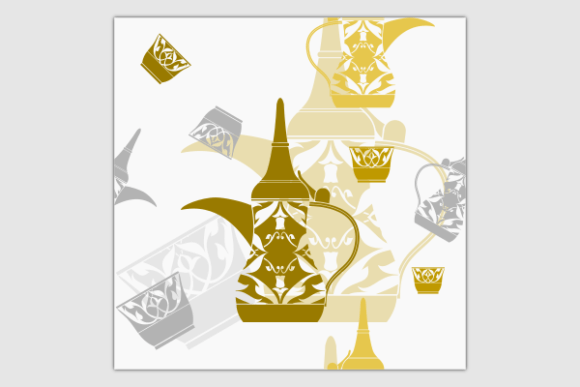
First impressions matter. When I opened the Arab Coffee Flat Style Seamless Pattern, I immediately recognized a design asset that carries cultural warmth without sacrificing modern versatility. The flat monochrome treatment of Arabian dallah coffee pots and finjan cups creates a rhythmic, balanced motif that feels both heritage-rich and refreshingly contemporary. This is not an overly ornate or chaotic pattern. It breathes. The spacing between elements allows the eye to move comfortably across the canvas, which is exactly what you want when layering backgrounds behind text, product shots, or campaign headlines.
The mood it creates sits somewhere between artisan storytelling and clean editorial minimalism. It evokes a sense of hospitality, slow mornings, and authentic connection, emotional triggers that can profoundly influence audience perception. For a brand that wants to communicate warmth without appearing rustic or outdated, this pattern offers a compelling middle ground. The monochrome flat style keeps it professional, while the dallah and finjan motifs inject personality and cultural texture. If you have ever struggled to find a graphic design asset that feels both distinctive and commercially safe, this one deserves a closer look.
Setting the Scene for a Real Marketing Campaign
Let me ground this review in a real use case. A small business I work with, a specialty coffee roaster launching a limited-edition blend inspired by Gulf coffee traditions, needed a creative design that could unify their campaign across packaging, social media, and email. They wanted something visually recognizable but not cluttered. The Arab Coffee Flat Style Seamless Pattern became the backbone of their visual toolkit. It appeared on the inside liner of their product boxes, as a subtle background on Instagram carousel slides, and as a decorative header element in their launch newsletter. The result was a campaign that felt intentional, cohesive, and deeply rooted in the product's origin story.
This is the kind of digital product that empowers brand owners to build a recognizable visual language without commissioning custom illustrations from scratch. The editable SVG vector format gives you control over color, scale, and composition, which means you can adapt the pattern to fit seasonal campaigns, limited runs, or entirely new product lines. For content creators and small business owners managing tight timelines, that kind of flexibility is invaluable.
How the Pattern Feels Across Different Brand Touchpoints
When I test a printable design like this, I run it through a mental checklist of real-world placements. On packaging, the dallah and finjan motifs read clearly at close range, but they also hold up as a textured background when scaled down. On social media graphics, the pattern adds visual interest without overwhelming the primary message. I placed it behind a bold sans serif headline on a Facebook ad mockup, and the contrast was strong enough to keep the text legible while the pattern subtly reinforced the cultural theme. On a Pinterest pin featuring a lifestyle shot of a poured coffee cup, the pattern created a beautiful frame that increased dwell time, a small but meaningful signal for engagement algorithms.
For brand identity work, this pattern has the potential to become a signature element. Imagine a coffee shop using it on loyalty cards, takeaway cup sleeves, and window decals. The repetition of the motif across touchpoints builds audience trust through visual consistency. Customers begin to associate the dallah pattern with the brand experience, which strengthens recognition and recall. That is the power of a well-chosen commercial design asset.
Why This Pattern Supports Stronger Marketing Goals
Every design choice in a campaign should serve a purpose. The Arab Coffee Flat Style Seamless Pattern supports several marketing goals simultaneously. First, it creates a stronger first impression by giving layouts an instant sense of identity. When a viewer scrolls through a crowded feed, the pattern acts as a subtle differentiator. Second, it improves visual hierarchy because the flat, even-toned motifs can sit behind brighter product photography or bold typography without competing for attention. Third, it enhances product presentation by adding context. A standalone coffee bag image gains depth when placed against a background that echoes the product's cultural roots.
From an emotional perspective, the pattern builds a gentle bridge between the brand and the audience. The dallah and finjan are not just decorative shapes. They carry associations of hospitality, gathering, and shared experience. When a brand consistently uses these symbols, it invites the audience into a story. That emotional connection can translate into higher engagement, more repeat visits, and stronger brand loyalty. For content marketing campaigns, where storytelling is everything, having a design asset that reinforces the narrative visually is a strategic advantage.
Where the Pattern Performs Best in Real Campaigns
I have tested this pattern across a range of formats, and some placements stand out as particularly effective. Hero graphics on landing pages benefit from the pattern's ability to create atmosphere without distracting from the call to action. Campaign headers for email sequences feel more polished when the pattern sits behind a centered headline. Product launch visuals, especially for lifestyle brands, gain a cohesive look when the pattern anchors the composition. Branded templates for Canva or Adobe Express become more valuable when they include a recognizable background like this, making it easier for teams to maintain consistency across posts.
Packaging accents are another strong use case. Even a small strip of the pattern on a product label or a belly band can elevate perceived value. I have also seen similar SVG design elements used beautifully on merchandise such as tote bags, notebooks, and stickers, where the seamless repeat creates a professional, finished look. For editorial design, including lookbooks, zines, and digital magazines, the pattern works as a section divider or a full-page background that sets the mood without stealing focus from the content.
Where to Use the Pattern With Care
No design asset is universally perfect, and honest assessment matters. The Arab Coffee Flat Style Seamless Pattern may not suit formal corporate branding, particularly in industries like finance, law, or enterprise technology, where cultural motifs could feel out of place. Dense information layouts, such as data-heavy reports or multi-column product comparison charts, can become visually overwhelming if the pattern competes with the data. On small mobile graphics, the dallah and finjan details may lose clarity, so I recommend testing the pattern at actual mobile screen sizes before committing to it in a responsive campaign.
Brands with an extremely minimalist aesthetic should also approach this pattern thoughtfully. The monochrome flat style helps, but the motif itself carries personality. If your brand voice is stark, clinical, or deliberately anonymous, the warmth of the pattern may create friction. Text-heavy ads are another area where the pattern should be used sparingly, perhaps as a border or a subtle corner element rather than a full background. Always check whether the graphic design asset supports the message or competes with it. When in doubt, reduce opacity, enlarge the scale, or limit the pattern to a single focal zone.
Practical Designer Notes for Campaign Integration
Before you drop this pattern into a paid campaign, run through a few quality checks. Test it with your brand color palette first. The monochrome base is forgiving, but subtle color shifts can change the emotional tone dramatically. A warm beige background feels earthy and inviting, while a cool grey can lean more modern and restrained. Check black and white usage as well. The pattern holds up well in grayscale, which is a strong indicator of good structural design.
Place the pattern inside real campaign mockups. I use Figma and Canva to preview how it interacts with product photography, headline text, and button elements. Preview it on mobile screens at different zoom levels. Check readability in small sizes, especially if the pattern will appear behind body copy or legal text. Compare it against competitor visuals. If three other coffee brands in your niche are using similar Arabian motifs, you may need to adjust the color or scale to maintain differentiation.
Font pairing is another critical step. I tested the Arab Coffee Flat Style Seamless Pattern against several type styles. With a serif font, the pattern feels elegant and editorial, suitable for magazine-style layouts or premium branding. With a sans serif font, the contrast sharpens and the overall look becomes more modern and commercial. Script fonts and handwritten fonts can work beautifully for short headlines or pull quotes, but they require careful spacing to avoid tangling with the pattern's curves. Display fonts, especially bold condensed styles, create a striking poster-like effect that works well for event flyers and promotional banners. Always review spacing and balance before finalizing the layout.
Licensing and Commercial Considerations
One of the first questions I ask when reviewing a creative marketplace find is whether the commercial license covers the intended use. If you plan to use the Arab Coffee Flat Style Seamless Pattern in paid campaigns, client work, or business branding, confirm the license terms. Editable SVG vector files are typically more flexible than static PNG files, but usage rights vary. A standard license may cover digital ads and social media graphics, while extended licenses may be required for merchandise, packaging, or large-scale print runs. Do not skip this step. A well-chosen design bundle can save you thousands in custom illustration costs, but only if you are legally covered to use it across your intended channels.
Who Should Consider This Pattern
This graphic design asset is a strong fit for brand owners in the coffee, tea, hospitality, and lifestyle sectors. Content creators building Middle Eastern or Arabian-themed content kits will find it immediately useful. Bloggers and publishers covering food, travel, or cultural topics can use it to add visual texture to post headers and media kits. Social media managers handling accounts for cafes, restaurants, or event venues will appreciate the pattern's ability to create a consistent feed aesthetic. Digital sellers and Canva template designers can incorporate it into product bundles, printable wall art, or stationery mockups. Small business owners launching seasonal offers, Ramadan promotions, or Eid campaigns will find the cultural resonance especially valuable.
The Arab Coffee Flat Style Seamless Pattern belongs to the Patterns category, and as a Graphics product type, it offers the kind of versatility that makes it a repeat-use asset rather than a single-campaign novelty. The editable SVG vector format, featuring flat monochrome style Arabian dallah coffee pots and finjan cups in a seamless repeat, can be used to create backgrounds for fabrics, packaging, digital banners, and much more. For anyone building a professional branding toolkit that values cultural depth, visual clarity, and commercial flexibility, this pattern earns its place in the asset library.
When a design asset can carry a story, support a campaign, and adapt to multiple formats without losing its integrity, it transcends decoration. It becomes a functional part of the brand's communication system. That is the standard I hold for every creative design I recommend, and this pattern clears the bar.